
- Results
- June 2026
Skills for Electrification – A Critical Future Challenge for Swedish Industry
Task: T.5.3
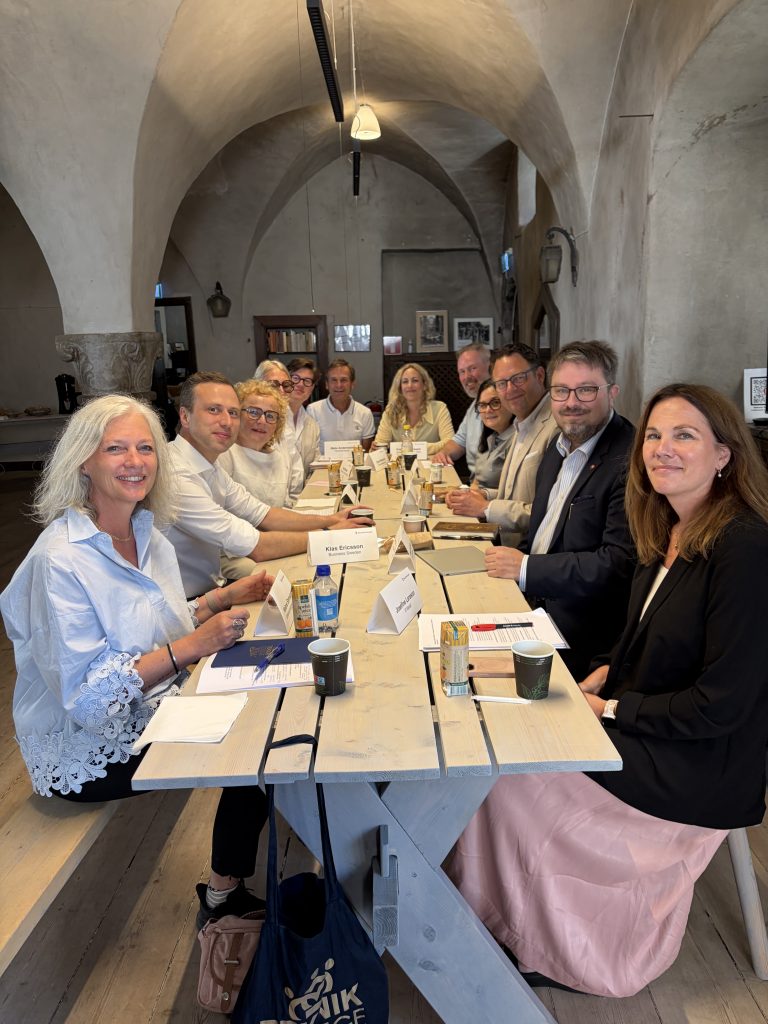
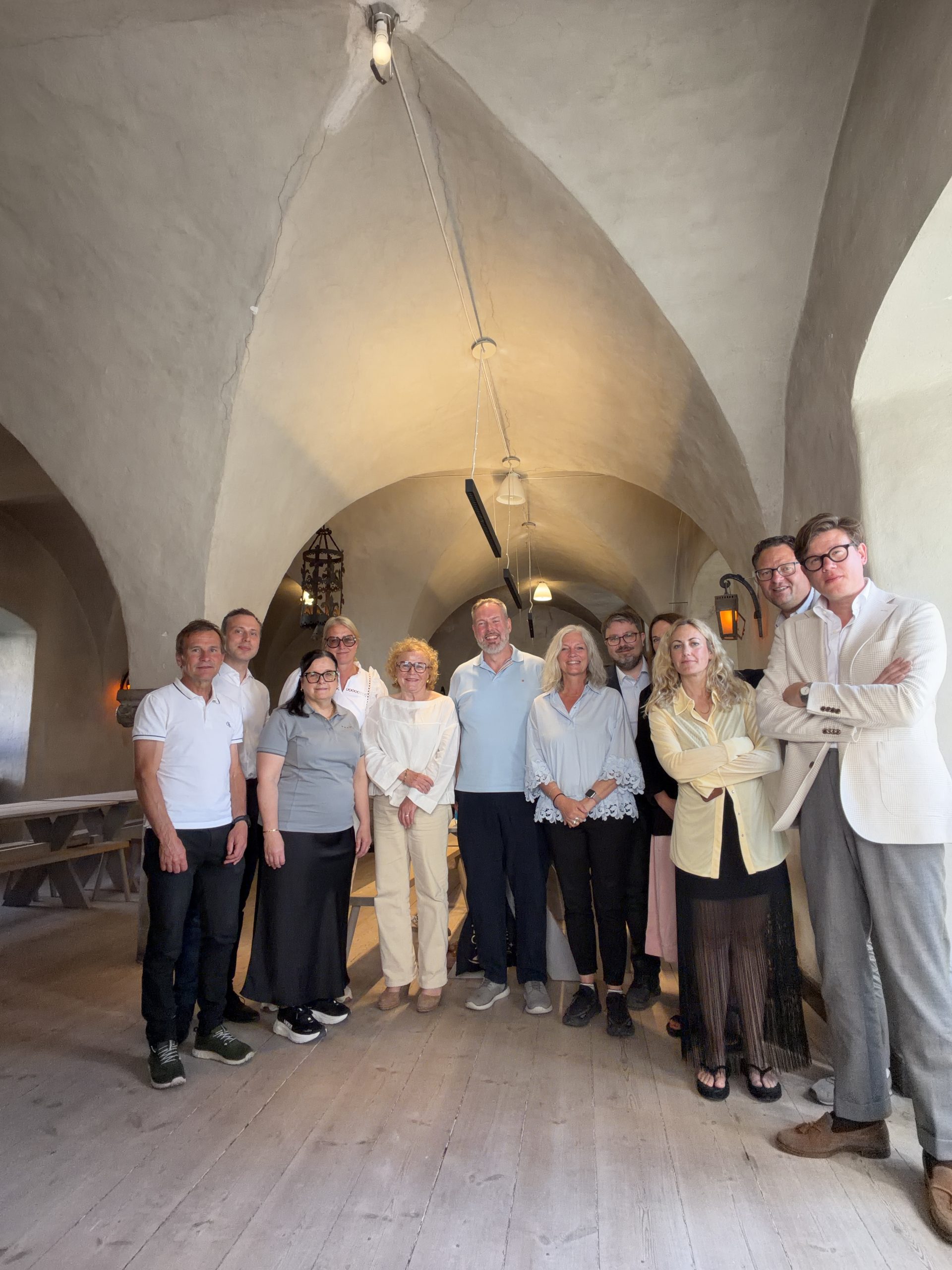
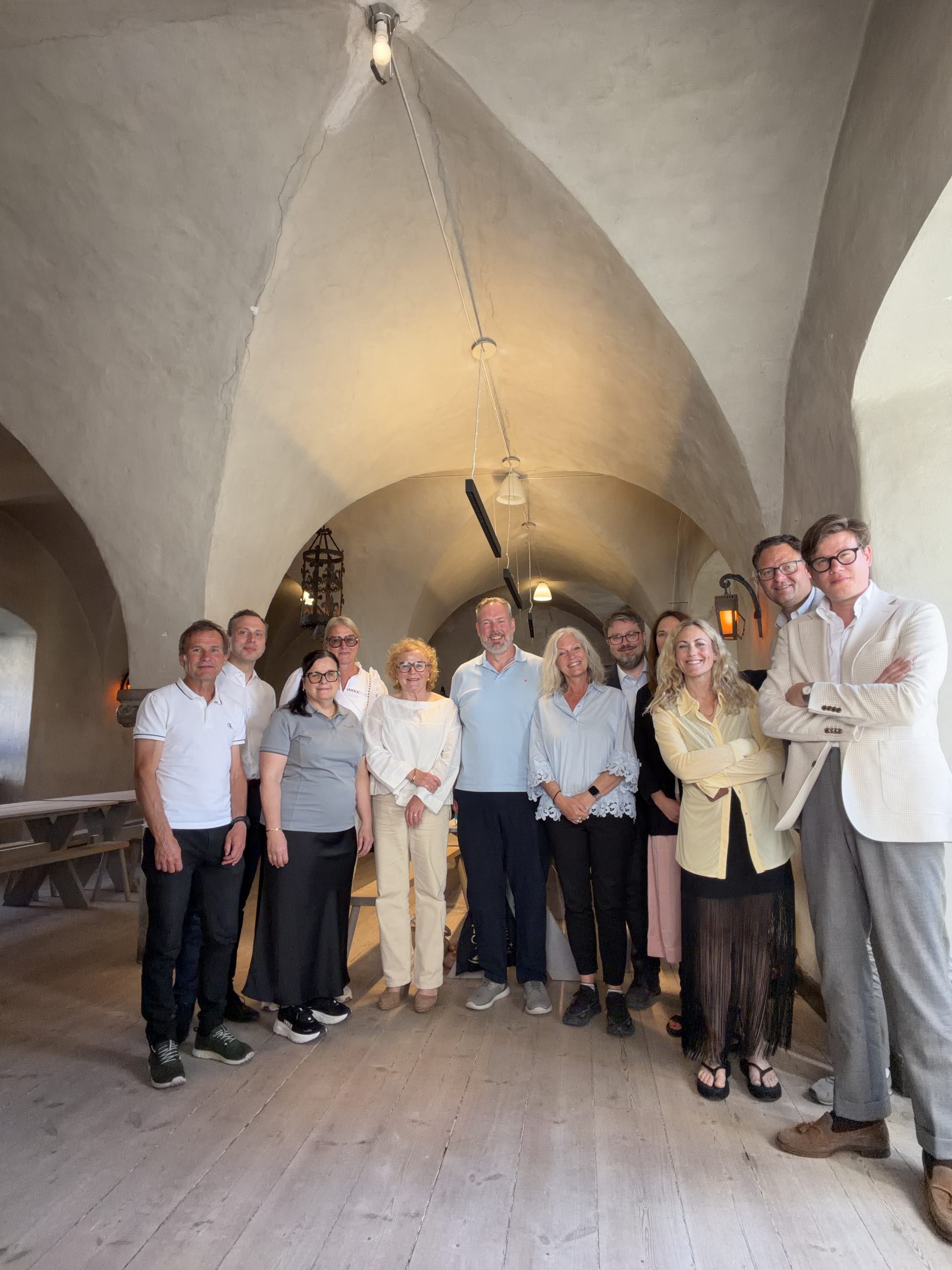
Representatives from politics, industry, labour market organisations, regional development, education, and international business development gathered around the table to discuss one of the most critical future challenges facing Swedish industry: securing the skills needed for electrification. The diversity of perspectives contributed to a dynamic and insightful discussion on how Sweden can meet future skills demands while strengthening its competitiveness in the global transition.
One clear conclusion emerged from the discussion: electrification is here to stay. The future of mobility, industrial transformation, and Sweden’s competitiveness will largely depend on our ability to secure the right skills. At the same time, technological development is accelerating, with electrification, artificial intelligence, automation, and digitalisation continuously reshaping competence requirements across all levels of working life. Skills provision is therefore no longer solely an education issue; it has increasingly become a strategic competitiveness issue.
Several participants emphasised that the solution is not simply to educate more people. Equally important is creating better opportunities for upskilling and reskilling those already active in the labour market. Education and training systems must be sufficiently flexible to respond to evolving competence needs as technologies develop, while individuals must be given opportunities to continuously strengthen their skills throughout their professional careers.
A recurring topic during the discussion was the need for long-term investments in learning environments and skills development infrastructure. Meeting the demands of industrial transformation requires not only more training opportunities but also modern environments where students, professionals, and companies can develop skills together. Initiatives such as Battery Centre Gothenburg were highlighted as examples of how learning environments can support competence development, innovation, and collaboration among different stakeholders. At the same time, participants noted that long-term funding is a key prerequisite for ensuring that such initiatives can grow and deliver lasting impact.
Several participants also highlighted the importance of attracting and retaining international talent. In the global competition for skills, Sweden must continue to be an attractive destination for students, researchers, and highly qualified professionals.
Another central theme concerned the division of responsibilities between national and regional levels. What actions are required nationally, and what should be addressed regionally? How can regional strengths contribute to national competitiveness? Participants stressed the importance of enabling regional actors to respond effectively to local and regional skills needs, while national strategies and investments must provide stable long-term conditions for success.
The discussion was characterised by a strong consensus regarding the importance of collaboration. Participants emphasised that cooperation between employers, education providers, and the public sector must become both closer and more operational. In a period of rapid technological change, occasional dialogues and isolated initiatives are no longer sufficient. Skills requirements evolve continuously and must be translated quickly into education programmes, learning environments, and competence development initiatives.
From our perspective, we highlighted the experiences of Teknikcollege GR, Voltage, and ongoing efforts to address skills provision within the battery sector, as well as Battery Centre Gothenburg, as strong examples of how industry, education, and the public sector can work together to address major competence challenges. We believe these approaches have significant potential to be replicated both in other regions of Sweden and across other sectors undergoing substantial transformation.
The discussion also demonstrated the value of European cooperation. Initiatives such as Voltage play an important role in strengthening Europe’s skills base and competitiveness at a time of increasing global competition. Through knowledge exchange and joint development, we can create better conditions for companies, education providers, and individuals to meet future skills demands.
Perhaps the most encouraging outcome was the strong alignment that characterised the discussion. Although participants represented different perspectives and roles, they largely shared the same understanding of the challenges and the need for collective solutions. The next and most important step is to translate these discussions into concrete decisions and long-term investments that strengthen the competitiveness of both Sweden and Europe.
Key Takeaways
- Electrification is fundamental to the future of industry and competitiveness.
- Skills provision is a strategic competitiveness issue that requires both new education pathways and continuous lifelong learning.
- Long-term investments in learning environments and skills development infrastructure are essential for a successful transition.
- International talent is a crucial part of the solution.
- Clearer division of responsibilities between national and regional levels is needed.
- Close and structured collaboration between employers, education providers, and the public sector is a prerequisite for responsive and effective skills provision.
- European cooperation strengthens both skills development and competitiveness.
Organisers
The Swedish Industrial Council (Industrirådet), the Gothenburg Region (GR), and Voltage.
Participants
Politics
- David Sikström, Christian Democrats
- Robert Olesen, Social Democrats
Industry and Labour Market
- Cecilia Hallengren Aronsson, Volvo Group
- Tomas Tärnfors, Swedish Association of Transport Companies
- Josefine Larsson, IF Metall
- Mats Andersson, Teknikföretagen (Moderator)
Regional Development and International Competitiveness
- Jonas Lundström, Region Västerbotten
- Anna-Lena Johanson, Business Region Gothenburg
- Klas Ericson, Business Sweden
Education and Skills Development
- Eva Ekman, Gothenburg Technical College
- Helene Stensson, Gothenburg Region (GR), Teknikcollege GR
- Frida Andersson, Gothenburg Region (GR), Moderator